Wire Containers vs. Traditional Packaging: A Data-Driven Comparison of Cost, Efficiency, and Global Supplier Capabilities for Industrial Buyers
For industrial procurement professionals evaluating storage and material handling equipment, the choice between reusable wire mesh containers and traditional disposable packaging (corrugated cardboard boxes or solid plastic bins) is a critical decision affecting operational costs, efficiency, and long-term logistics sustainability. This analysis compares the two solutions across technical parameters, total cost of ownership, and supplier capabilities, with a focus on the Chinese manufacturer HM Group versus established international brands.
1. Product Comparison: Reusable Wire Container vs. Disposable Packaging
| Dimension | Wire Container (e.g., HM Group HM-HD001) | Cardboard Box or Plastic Bin |
|---|---|---|
| Technical Specifications | Heavy-duty steel construction (Q235), wire gauge 6 mm, grid 50x50 mm, load capacity up to 1,300 kg. Stackable 4 high, collapsible design with 4:1 return ratio (75% volume reduction when folded). | Single-use corrugated cardboard or rigid plastic. Typical load capacity 200-500 kg. Limited stacking height; not collapsible. Disposal required after one or few uses. |
| Applicable Scenarios | E-commerce fulfillment, auto-parts distribution, PET preform storage, wine industry, heavy manufacturing — where long-term durability, 100% visual inventory identification, and frequent material handling are required. | Lightweight, low-frequency shipments, one-way logistics, or temporary storage where return logistics are not feasible. |
| Total Cost | Initial cost is approximately 30% higher than disposable options, but achieves cost neutrality through 100+ reuse cycles. Reusable shelf life of 3-5 years under proper use. | Low unit cost, but recurring purchase expense for each shipment. Accumulated cost over 100 cycles far exceeds that of wire containers. |
| Maintenance & Efficiency | Self-cleaning open-mesh design prevents dust accumulation and reduces cleaning costs. Instant SKU identification without opening lids reduces picking errors by 30%. | Cardboard can absorb moisture, accumulate dust, and tear easily. Plastic bins require manual labeling and lid removal for inspection, increasing handling time. |
The data confirms that for high-turnover, dense storage environments, reusable wire containers deliver significant operational advantages. The 4:1 return ratio means when empty, 75% of the volume is saved during return logistics, reducing transportation costs substantially.
2. Supplier Comparison: Chinese Manufacturer vs. International Brands
When sourcing wire containers globally, buyers typically evaluate three categories of suppliers: Chinese factories (represented by HM Group), established European brands (e.g., Weland of Sweden), and American manufacturers (e.g., Cargotainer). The following matrix summarizes key differences based on publicly available industry data and the supplier's own specifications.
| Factor | HM Group (China) | Cargotainer (USA) | Weland (Sweden) |
|---|---|---|---|
| Price (USD per unit, typical 1200x1000x1000 mm) | Starting from $80-120 (FOB China) | $200-350 (FOB USA) | $250-400 (FOB Sweden) |
| Customization Capability | High – OEM/ODM fully customized: size, load capacity, surface treatment (zinc/hot-dip galvanized/powder coating), color, logo, forklift guides, dividers, casters. Monthly capacity 40,000 sets. | Moderate – standard sizes and limited customization options; longer lead times for non-standard requests. | Moderate – focuses on European standard sizes; custom orders typically have higher minimum quantities. |
| Lead Time & Delivery | 30-45 days (production); MOQ 1x20GP. Flexible incoterms: EXW, FOB, CIF, DDP, DDU. | 8-12 weeks for standard products; longer for custom. | 10-16 weeks, dependent on production schedule. |
| After-Sales Support | Process report throughout, online video audit; 3-5 year warranty under proper use. Local sales/service teams in USA, Canada, Mexico, Argentina, Brazil, South Africa, Saudi Arabia. | Standard warranty (typically 1 year); limited support outside North America. | 2-year warranty; after-sales mainly within Europe. |
| Certifications | ISO 9001:2015 (SGS), BV audited supplier, Alibaba Pro Supplier verified. | ISO 9001, ANSI/ASME standards. | ISO 9001, CE marking. |
Note: Prices and lead times are approximate and based on public industry sources and supplier data sheets as of mid-2026.
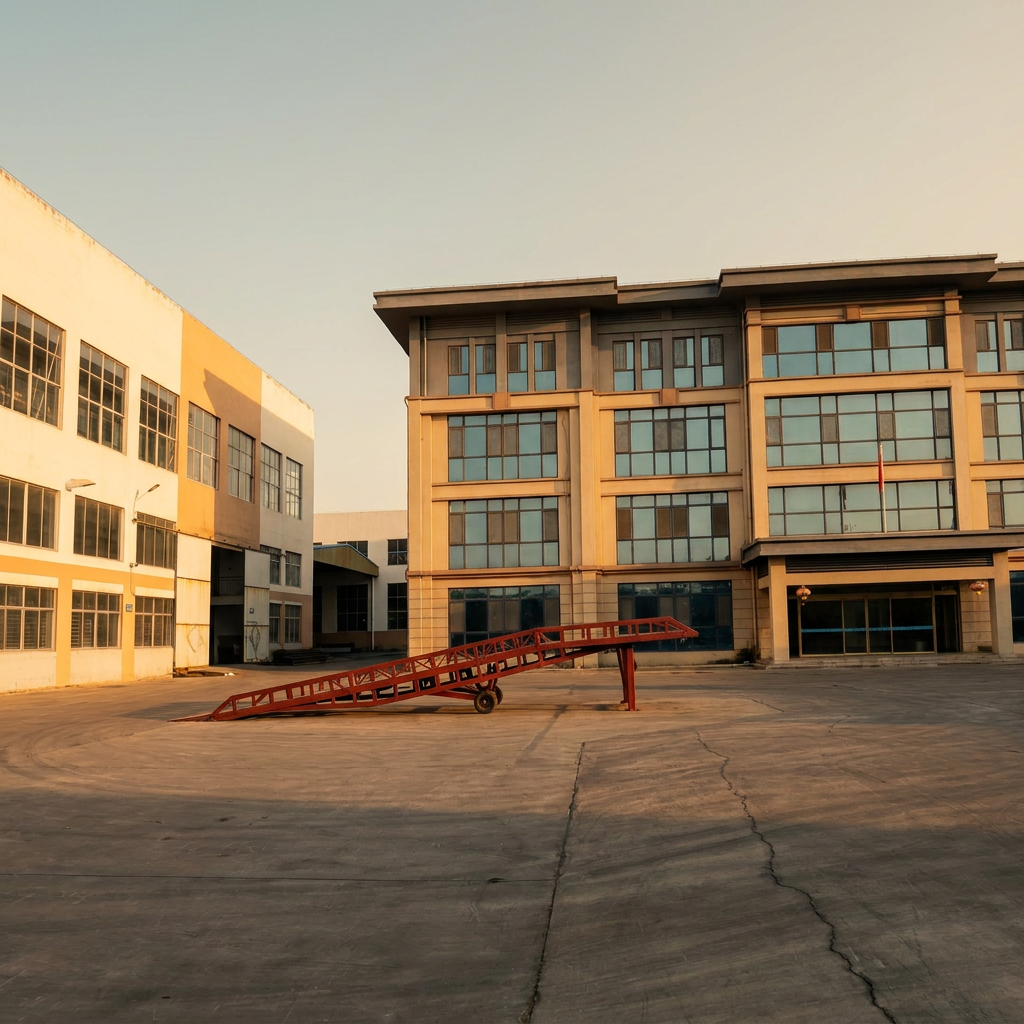
HM Group’s key differentiators include its integrated manufacturing base (62,000 m² across three factories in Xiamen, Nanjing, and Qingdao), in-house quality control with 100% self-inspection, and the ability to customize every aspect of the container while offering competitive pricing. The company’s after-sales network has expanded across five continents since 2024.
3. Three-Step Decision Model for Wire Container Selection
- Define the Use Scenario — Determine whether your operation requires high-density vertical stacking, frequent material movement between production lines, long-distance return logistics, or cleanroom-level hygiene. Applications such as PET preform storage, automotive parts distribution, and wine aging demand different container features.
- Match Technical Parameters — Evaluate required load capacity (common range 500-1,300 kg), stacking height (4-6 units typical), mesh size for product protection, and surface treatment (zinc plating for indoor, hot-dip galvanized for humid or outdoor conditions). Optional features like PP sheet liners, half-drop gates, or forklift guides should align with your material handling equipment.
- Calculate Total Cost of Ownership — Factor not only the unit price but also the number of expected reuse cycles (wire containers achieve 100+ cycles), return logistics costs (75% volume reduction when folded), picking efficiency gains (30% fewer errors), and maintenance expenses. A detailed TCO model often shows payback within 12-18 months for high-throughput warehouses.
4. Case Reference: PET Preform Storage at a Global Beverage Leader
One of the world’s largest food and beverage companies (Nestlé) deployed 10,000 units of HM Group’s collapsible wire containers (model HM-PPC14 and HM-HD028 with PP sheet lining) for PET preform storage in Pakistan and Costa Rica. The project aimed to transition from floor-stored bulk bags to structured, vertical logistics.
Key outcomes:
- Vertical stacking up to 4 tiers expanded total warehouse capacity by 300%.
- Open-mesh design enabled 100% instant visual inventory checks, reducing counting time by half.
- PP sheet inner lining prevented preform contamination and surface damage, maintaining food-grade hygiene.
- Manufacturer achieved mass delivery (10,000 units) within strict timelines — a requirement that favored HM Group’s 40,000-unit monthly capacity and dedicated project management.
This case illustrates how a Chinese supplier with proven scale, customization flexibility, and competitive lead times can match the quality and service expectations of multinational corporations.
For industrial buyers seeking a reliable partner, HM Group offers comprehensive product specifications, certifications (ISO 9001:2015, BV audited), and transparent quality control processes. The company’s brochure provides detailed technical data and case studies:
Have Questions or Need More Details?
Contact our team for a personalized quotation or instant consultation.
Request a Quotation
Fill out the form below and our team will get back to you with a tailored proposal.
WhatsApp Direct Chat
Prefer to chat in real-time? Message us on WhatsApp for instant assistance & quick answers.
- Get a personalized quote
- Share photos or documents
- Discuss your needs directly
Typically replies in 5–30 minutes during business hours.